
Hear from Our Customers
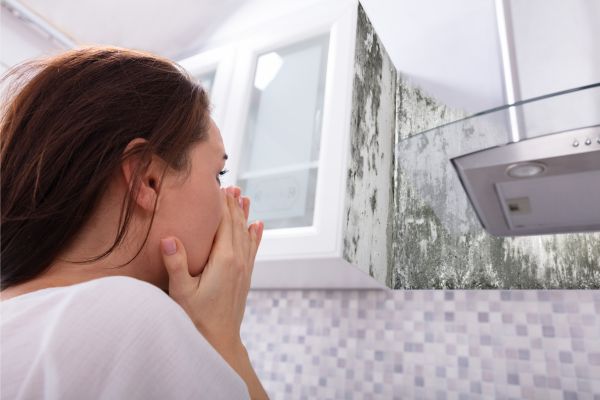
Most homeowners in Penndel don’t realize they have a mold problem until someone gets sick or they see visible growth. By then, you’re looking at serious remediation costs and potential health issues for your family.
Professional mold testing tells you what’s actually growing in your home, where it’s coming from, and how bad it is. You get lab results that identify the specific mold types and concentration levels—not guesswork from a home test kit that can’t tell black mold from harmless spores.
That information matters when you’re deciding whether to buy a house, filing an insurance claim, or figuring out why someone in your family can’t stop coughing. You need facts, not assumptions. Testing gives you those facts so you can make the right call about what happens next.
Penndel’s housing stock is aging—median build year is 1980. That means older foundations, outdated ventilation, and plenty of opportunities for moisture to get where it shouldn’t. We’ve seen it in hundreds of homes across Bucks County.
Mack’s Mold Removal specializes in residential mold testing using calibrated air sampling equipment, infrared cameras, and moisture meters that actually work. We’re certified, we’re local, and we’re not trying to upsell you on remediation services we don’t provide. We test, we report, we explain what you’re looking at.
You get honest answers about whether you have a problem, how serious it is, and what your options are. No pressure, no runaround.
We start with a visual inspection of your property—attics, basements, crawlspaces, bathrooms, anywhere moisture tends to accumulate. We’re looking for visible mold, water stains, condensation, and signs of leaks or poor ventilation.
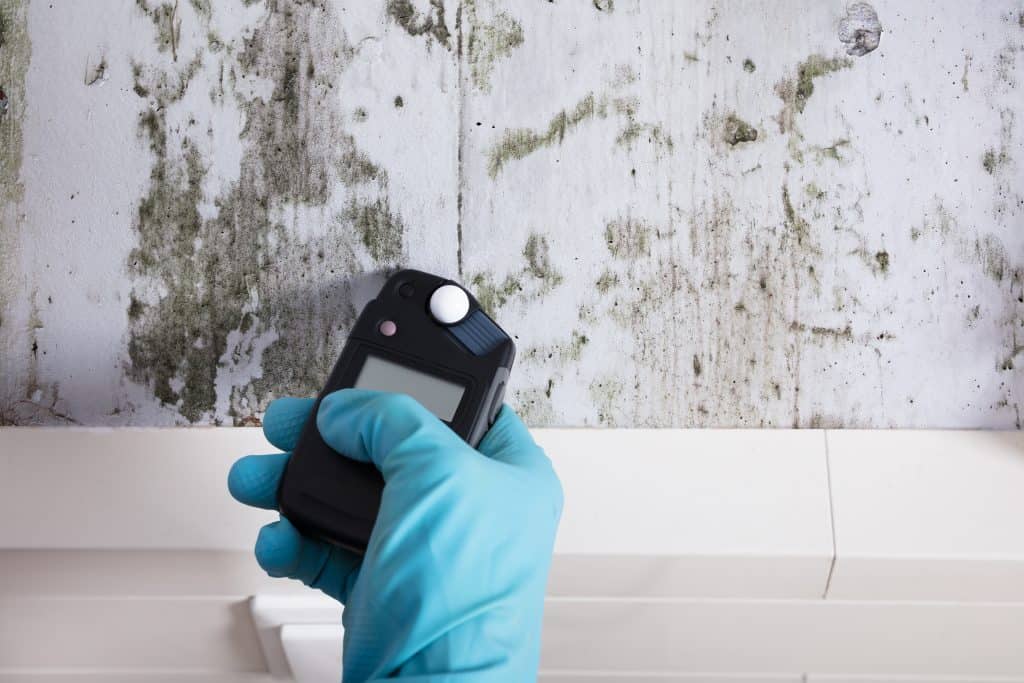
Then we use moisture meters and infrared cameras to detect hidden water intrusion behind walls, under floors, and in other areas you can’t see. High moisture readings tell us where mold is likely growing even if it’s not visible yet.
Next comes air sampling. We collect air samples from multiple rooms and send them to an accredited lab for analysis. The lab identifies what types of mold spores are present and at what concentration levels. We also take surface samples if we find visible growth that needs identification.
You get a detailed report with lab results, photos, moisture readings, and our assessment of what’s happening in your home. We’ll walk you through the findings and explain what they mean in plain language. If you need remediation, we’ll tell you. If you don’t, we’ll tell you that too.
Ready to get started?
You get a certified inspector who knows where mold hides in Bucks County homes. That means checking the usual suspects—basements with foundation cracks, attics with poor ventilation, bathrooms with exhaust fans that don’t actually vent outside—and the less obvious spots like behind drywall near old plumbing or under carpets laid on concrete slabs.
We use calibrated equipment, not hardware store moisture meters. Our air sampling devices pull measured volumes of air through collection media that captures spores for lab analysis. The infrared camera shows us temperature differentials that indicate moisture problems you can’t see or feel.
Lab results come back within a few days. You’ll see exactly what mold species were found, the spore counts per cubic meter of air, and how those numbers compare to outdoor baseline samples. High counts of certain molds—like Stachybotrys, the black mold everyone worries about—tell us you’ve got an active problem that needs attention.
The report also documents moisture levels, identifies likely sources, and gives you a clear picture of what’s causing the issue. Pennsylvania’s increased precipitation over recent years means more homes are dealing with water intrusion and elevated indoor humidity. If that’s your situation, you’ll know it after testing.
Most residential mold testing in Penndel runs between $300 and $600 depending on your home’s size and how many samples we need to collect. A typical inspection for a single-family home with air sampling from three to five locations usually falls in the $400 to $500 range.
That includes the visual inspection, moisture mapping, air sample collection, lab analysis, and a written report with our findings. If we need to take additional surface samples or test more areas, that can add to the cost, but we’ll discuss that with you before collecting extra samples.
Compare that to the cost of ignoring a mold problem. Remediation for a significant mold issue can easily run $2,000 to $10,000 or more depending on how widespread the growth is and what materials need to be removed. Testing catches problems early when they’re cheaper to fix. It also gives you documentation if you’re buying a home and need to negotiate repairs with the seller.
Home test kits don’t tell you much. They’ll confirm that mold spores exist in your house, which is true for basically every house. Mold spores are everywhere—they’re in the air outside, they’re in your HVAC system, they’re on your clothes. Finding spores isn’t the question. The question is what types are present, at what levels, and whether those levels indicate an active growth problem.
DIY kits can’t answer that. They don’t measure spore concentration. They don’t compare indoor levels to outdoor baseline levels. They can’t tell you if you’re looking at harmless Cladosporium that came in through an open window or toxic Stachybotrys growing behind your shower wall.
Professional testing uses calibrated air sampling equipment that pulls a measured volume of air through a collection device. The sample goes to an accredited lab where technicians identify and count the spores. You get actual data—species identification and concentration levels—that tells you whether you have a problem and how serious it is. That’s information you can use to make decisions. A petri dish with fuzzy growth on it doesn’t tell you anything useful.
We see a lot of Cladosporium, Penicillium, Aspergillus, and Alternaria in Bucks County homes. Those are common outdoor molds that get inside through windows, doors, and ventilation systems. They’re usually not a major concern unless someone in the house has allergies or asthma.
The ones that worry us are Stachybotrys (black mold) and Chaetomium. Both grow on water-damaged building materials like drywall, wood, and ceiling tiles. They produce mycotoxins that can cause respiratory problems, headaches, and other health issues with prolonged exposure. If we find elevated levels of these molds in your air samples, you’ve got an active water intrusion problem that needs remediation.
Penndel’s older housing stock—most homes were built around 1980—means we also see mold in crawlspaces with dirt floors, basements with foundation cracks, and attics with inadequate ventilation. Pennsylvania’s increased precipitation over the past decade hasn’t helped. More rain means more moisture finding its way into homes through aging building envelopes. Testing identifies what’s growing and where it’s coming from so you can fix the source, not just clean up the visible growth.
Plan on two to three hours for a thorough inspection of a typical single-family home. We’re not rushing through your house with a flashlight. We’re checking every area where mold commonly grows—basements, crawlspaces, attics, bathrooms, kitchens, laundry rooms, and around windows and doors.
The visual inspection takes the most time. We’re looking for water stains, discoloration, visible mold growth, condensation, musty odors, and signs of past or present leaks. We use moisture meters to check walls, floors, and ceilings in areas where we see potential problems. The infrared camera helps us find hidden moisture that indicates mold might be growing behind surfaces.
Air sampling is quick—maybe 10 to 15 minutes per sample location. We set up the air sampling pump, let it run for the specified time to collect the required air volume, and move to the next location. Surface samples take just a few minutes if we need them.
Lab results usually come back within three to five business days. Once we have the results, we’ll schedule a follow-up call or meeting to review the findings and answer your questions. The whole process from inspection to final report typically takes about a week.
Yes. The lab results show spore counts for each mold type identified in your air samples. We compare those indoor counts to outdoor baseline samples collected during the same inspection. If your indoor levels are significantly higher than outdoor levels—especially for molds that indicate water damage—you’ve got an active problem that needs remediation.
The report also documents moisture readings and identifies the likely sources of water intrusion. Maybe it’s a leaking pipe behind a wall, condensation from poor attic ventilation, or groundwater seeping through foundation cracks. Knowing the source is critical because surface cleaning won’t fix the problem if water keeps feeding mold growth.
We’ll tell you straight whether you need remediation or if you’re dealing with normal background levels that don’t require action. We don’t do remediation work ourselves, so we’re not trying to sell you services you don’t need. If you do need remediation, we’ll explain what that typically involves and what you should expect in terms of scope and cost. You’ll have the documentation you need to get accurate quotes from remediation companies and, if applicable, file an insurance claim with actual evidence of the problem.
Absolutely, especially if the home was built before 1990 or if you notice any musty odors, water stains, or visible mold during your walkthrough. A standard home inspection doesn’t include mold testing. The inspector might note visible mold or moisture issues, but they’re not collecting air samples or identifying mold species.
Pre-purchase mold testing gives you leverage in negotiations. If we find elevated mold levels or evidence of water damage, you can ask the seller to handle remediation before closing or negotiate a lower purchase price to cover the cost yourself. Finding out after you’ve moved in means you’re paying for the whole thing out of pocket.
Penndel’s older homes often have foundation issues, outdated plumbing, and aging roofs—all common sources of water intrusion that lead to mold growth. Testing before you buy protects you from inheriting someone else’s moisture problem. It costs a few hundred dollars now versus potentially thousands in remediation costs later. The report also gives you documentation if you need to walk away from a deal because the mold issue is too extensive or expensive to fix.
Other Services we provide in Penndel